吉他演奏突破:无限序列法
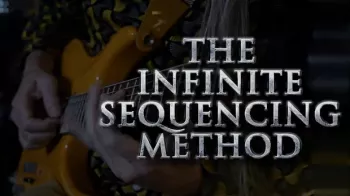
Dan Mumm的无限序列法课程,带来两大革命性突破:优化练琴时间、释放无限创作力。学会神奇序列公式,从单一音阶或琶音中即时创造无限即兴与变奏,实现吉他技巧持续加速进步。
MP4 PDF GPX| 1.99 GB
This course offers two GAME CHANGING breakthroughs - at the same time
The first is about total optimization of practice time – the secret behind genuine virtuosity.
The second flows out from the first, opening up infinite creative possibilities from any one scale, arpeggio or pattern.
You’ll learn the “magic sequence formula” and use it to:
• Optimize your practice and continuously increase your rate of progress on the guitar (meaning your skill increases more and more rapidly over time),
• Build optimized sequences that train multiple techniques, concepts, scales, arpeggios – simultaneously,
• Break free from recycled licks and invent new, musical ideas on the spot,
• Create infinite runs and variations from even a single scale or arpeggio,
• Endlessly extend or build upon existing patterns,
• Exploit the repeating patterns of the fretboard to develop an intuitive understanding of the guitar,
• And more!
This isn’t just about learning new licks — it’s about permanently changing the way you practice and approach the guitar.
The Infinite Sequencing Method teaches:
• The “magic sequence formula,”
• How to build your own sequences to suit your specific needs,
• How to use sequences to multi-task with your practice time and maximize your progress,
• Simple and complex sequences,
• Using sequences to completely internalize scales, arpeggios, transitions, etc.,
• Natural minor sequences,
• Major sequences,
• Pentatonic blues sequences,
• Rhythmic sequences,
• “Pseudo-sequences,”
• Setting rules for sequences to create entirely new types of patterns,
• How accidentals work to change a scale or create new patterns and melodic effects,
• How harmonic minor is made from natural minor using accidentals,
• Harmonic minor sequences,
• How melodic minor is made from natural minor using accidentals,
• Melodic minor sequences,
• Sequences using accidentals,
• Accidentals vs. chromatics,
• Chromatic sequences,
• Modulating sequences (changing keys through sequences),
• Arpeggio sequences,
• How to use sequencing to internalize the arpeggios of a key,
• Sliding, multi-position sequences,
• Layered or “multi-dimensional” sequences (e.g. sequencing a sequence),
• and much more…
此处内容需要权限查看
会员免费查看